How to Choose Stem Cell Therapy in Thailand Safely
beststemcellinthailand helps international patients understand lab quality, cell source, viability, sterility, documentation, and red flags before booking or paying for stem cell therapy in Thailand.

Comparing stem cell offers without knowing what to ask is risky
Many patients compare stem cell offers online but do not know how to evaluate cell quality, lab documentation, donor screening, viability, sterility, or safety claims. This website helps you understand what to ask before paying, booking, or traveling to Thailand.
Understand the documents
Cell type, source, count, viability, sterility, markers — learn how to read a real lab report.
Spot the red flags
Guaranteed cures, identical packages, pressure to pay — recognize warning signs before you commit.
Doctor-led review
Coordination with a licensed physician for case-by-case suitability — not a one-size-fits-all package.
What the best stem cell clinics should be able to explain
A trustworthy clinic should clearly answer each of these — in writing, with supporting documentation.
Cell source
Where the cells come from and how they were collected.
Cell type
MSC, HSC, SVF, exosomes — clearly defined.
Cell count
Counted by what method and at what stage.
Viability
Measured percentage of live cells.
Sterility testing
Microbial, mycoplasma and endotoxin checks.
Pathogen screening
Donor and product screening reports.
Marker verification
CD markers confirming cell identity.
Storage & transport
Cold chain, handling and chain of custody.
Doctor-led suitability
Physician review of your medical history.
Follow-up plan
Defined plan for monitoring after treatment.
Eleven things to verify before you pay
Print, screenshot, or save — and ask the clinic to confirm each item in writing.
Source transparency — tissue, donor or autologous origin
Autologous or allogeneic origin clearly stated
Donor screening reports available
Cell identity confirmed by markers
Cell count with method disclosed
Viability percentage at release
Sterility test results
Pathogen screening (HIV, HBV, HCV, syphilis, mycoplasma)
Marker profile (CD73, CD90, CD105 positive; CD34, CD45 negative for MSC)
Storage & transport — temperature and chain of custody
Doctor review notes on suitability
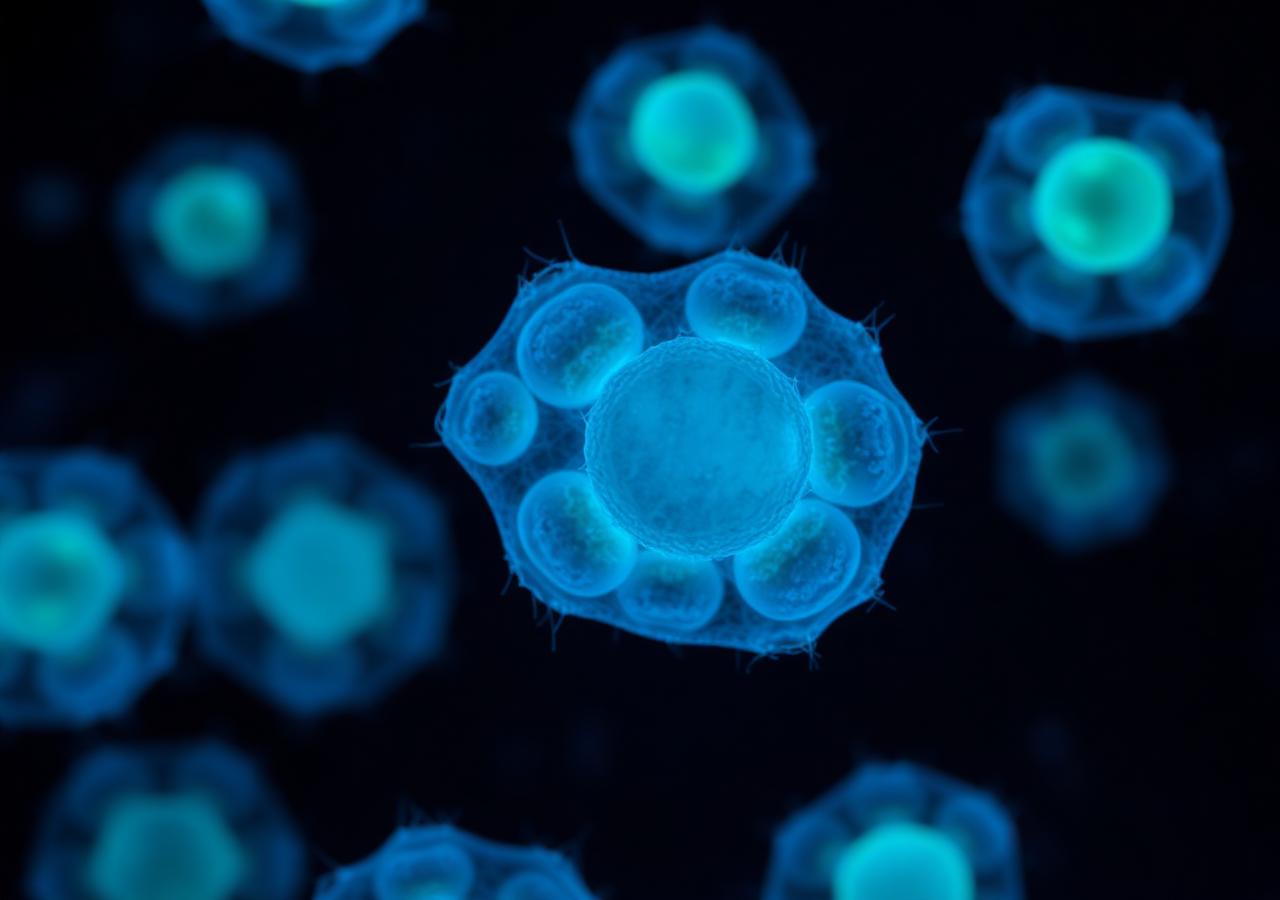
Autologous vs Allogeneic stem cells
Both sources have a place in regenerative medicine. What matters is how the cells are collected, processed, screened and reviewed.
From the patient's own body
Bone marrow-derived, adipose-derived (SVF), or peripheral blood stem cells. May reduce donor-related concerns but still requires careful collection, processing, sterility control and doctor assessment. Cell quality may be affected by age, chronic disease, inflammation, lifestyle, and overall health.
From a donor or tissue source
Umbilical cord MSCs, Wharton's Jelly MSCs, placenta or amniotic-derived products, or cord blood-derived cells. Requires donor consent, donor screening, pathogen screening, sterility testing, viability data, marker verification and transparent documentation.
MSC vs HSC vs other cell types
Different cell types serve different purposes. Be precise about what is actually being offered.
MSC
Mesenchymal stromal cells — commonly discussed in regenerative wellness contexts.
HSC
Hematopoietic stem cells — blood-forming, used in specific medical transplant contexts.
SVF / Adipose
Stromal vascular fraction and adipose-derived products require careful explanation.
Embryonic / iPSC
Important research topics, not general commercial treatment options.
Stem cells vs exosomes

Exosomes are not live stem cells. They are cell-derived signaling vesicles that may be discussed in regenerative medicine but should not be described as stem cells.
Before considering an exosome product, ask for source, production method, quality documentation, storage conditions, and safety information. A clinic that uses the two terms interchangeably is a red flag.
Full explainerMore cells does not always mean better
How are cells counted?
Manual hemocytometer, automated counter, or flow cytometry — methods give different results.
What is the viability?
A high count with low viability means fewer live cells reaching you.
Is the cell type confirmed?
Markers should confirm the cells are what the clinic claims they are.
How to read a stem cell document
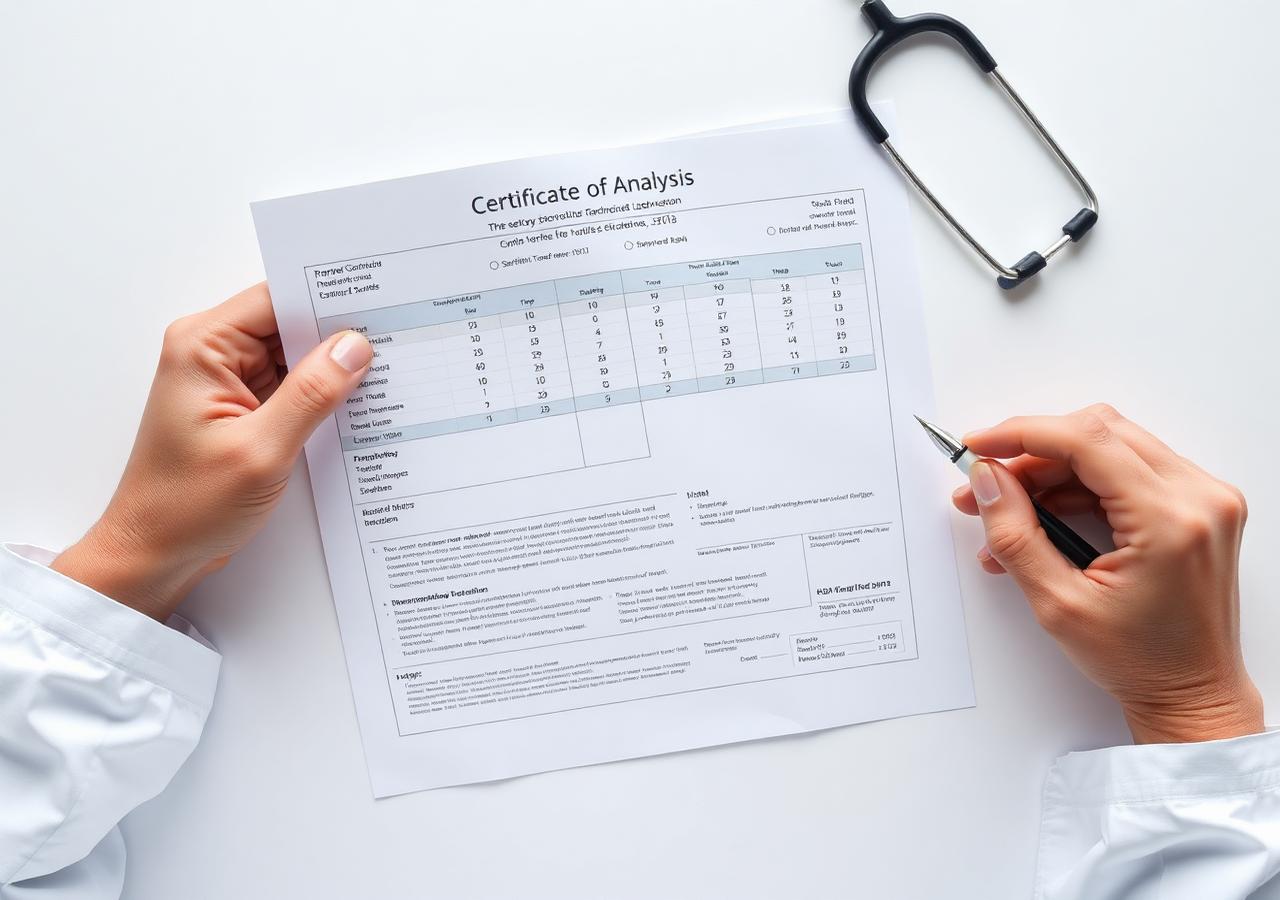
- Product / cell typeMSC, HSC, exosome, SVF — clearly named
- SourceCord, Wharton's Jelly, adipose, marrow, peripheral
- Batch / lot referenceTraceable identifier
- Cell countWith counting method
- Viability %Measured at release
- SterilityNegative for microbial growth
- Pathogen screeningHIV, HBV, HCV, syphilis, mycoplasma
- Marker profileCD identity panel
- Storage & transportTemperature, time, handling
- Expiry / prep timingWindow for safe administration
- Doctor review notesSuitability based on your history
Red flags before booking
Guaranteed cure or 100% success claims
No doctor consultation before payment
No lab documents available
No explanation of cell source
Identical package for every patient
Pressure to pay or book quickly
No safety or pathogen screening
No follow-up plan after treatment
Unrealistic before/after promises
Exosomes described as stem cells
Questions to ask any stem cell clinic
What type of cells are being used?
Are they autologous or donor-derived?
What is the cell source?
Is there donor screening?
Is viability measured?
Is sterility testing available?
Is pathogen screening available?
Are markers verified?
How are cells stored and transported?
Who reviews my medical history?
What follow-up is included?
Premium Thailand Consultation Partner: LINNA Clinic

For selected international cases, our coordination team may introduce LINNA Clinic as a premium Bangkok partner for doctor-led regenerative wellness consultation and personalized case planning.
LINNA Clinic is positioned for clients who prefer private care coordination, a premium clinical environment, and a safety-first consultation pathway — rather than one-size-fits-all packages.
- Doctor-led consultation
- Personalized planning
- Premium Bangkok clinical environment
- International patient support
- Safety-first consultation pathway
- Private case coordination
Submit your stem cell offer or lab documents
Before paying or traveling, send your stem cell offer, screenshots, lab documents, or medical records for private review by our coordination team.
- Clinic quote review
- Lab documentation check
- Treatment-plan review
- Red-flag assessment

Fresh guidance, updated regularly
Daily-published, editorially reviewed articles on stem cell quality, regenerative medicine, longevity, IV therapy, and medical tourism in Thailand.
Ask Before You Pay or Travel
Send your stem cell offer, medical documents, or clinic quote for private review before making a decision in Thailand.